
James Brown before he was famous
Before the Godfather of Soul, James Brown was dancing for coins on Augusta streets.
Get the next music legend story
Subscribe on YouTube for new nobody-to-legend stories from music history.
Subscribe on YouTubeWatch the full documentary
The nobody years
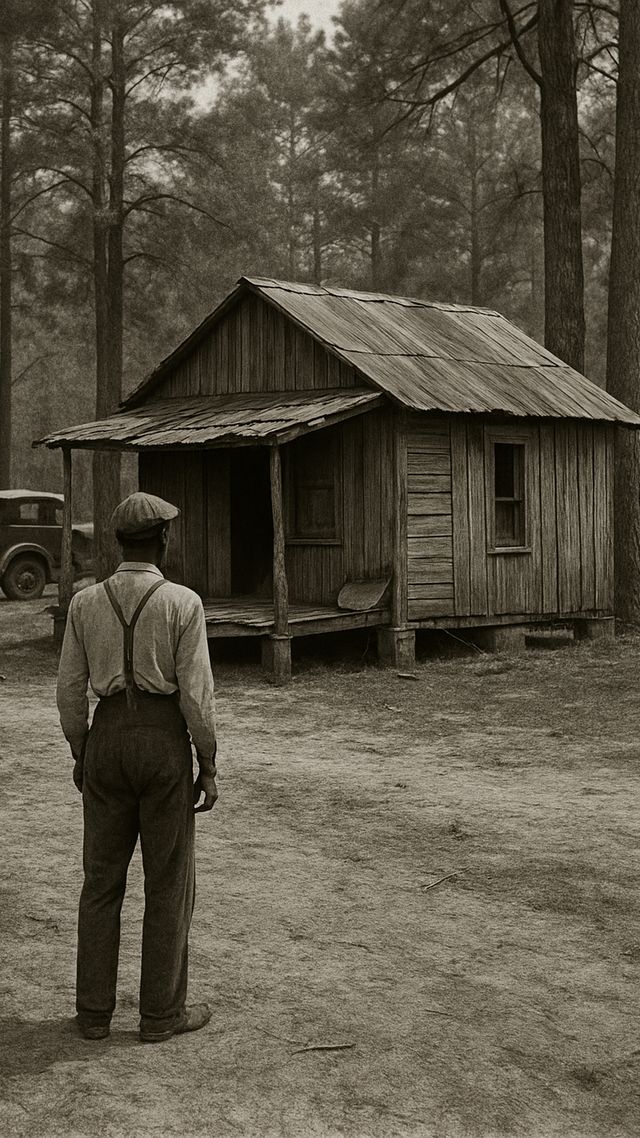
1933 A shack in Barnwell
Born in a small wooden shack in Barnwell, South Carolina.
Was born in a one-room wooden shack in Barnwell, South Carolina, into extreme poverty. Source
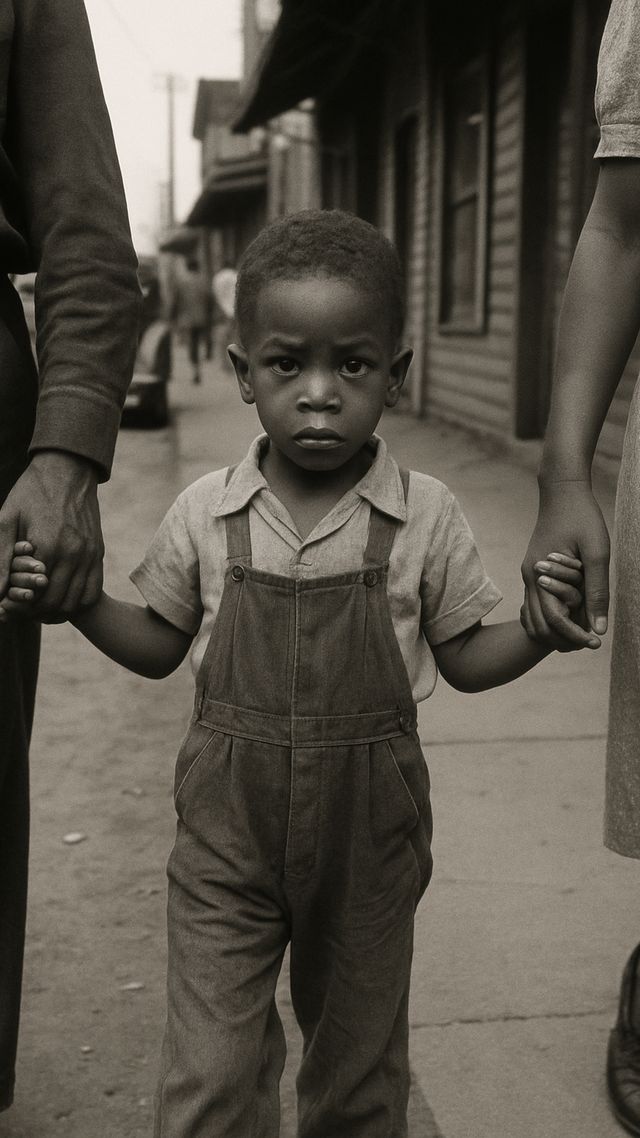
1938 Dancing for coins
He danced for coins, entertaining troops stationed near Camp Gordon.
Was sent to Augusta, Georgia, to live with an aunt who kept a brothel. Source
1944 Toccoa, at sixteen
At sixteen, convicted of robbery, sent to detention in Toccoa.
Was sent home from school for wearing insufficient clothes. Source
1940s Bobby Byrd hears him
Singer Bobby Byrd heard him sing while he was still serving.
Taught himself piano, guitar and harmonica in those same years. Source
1949 Byrd's group, 1954
Two years later he joined Byrd's group, still changing names.
Broke into four cars in one night at the age of sixteen, taking coats and other goods. Source
1937
His mother left the family when he was four years old. Source
1930s-1940s
Picked cotton, washed cars and shined shoes as a child to bring money in. Source
1943
Danced for coins on the street to entertain troops stationed at nearby Fort Gordon. Source
1944
Won a talent show at Augusta's Lenox Theater singing the ballad So Long. Source
1948
Had a brief career as a boxer in his teens, and played semi-professional baseball. Source
1949
Was convicted of armed robbery and sentenced to eight to sixteen years. Source
1949
Was sent to the Alto Reform School near Toccoa, Georgia, two hundred miles from home. Source
1950
Formed a gospel group inside the reform school and was nicknamed Music Box. Source
1950
The group built its own instruments: a comb and paper, lard tins for drums, a washtub and broomstick for a bass. Source
1951
Bobby Byrd first heard him sing while he was still serving his sentence. Source
1952
Byrd's family petitioned the parole board on his behalf. Source
1952
Was paroled on 14 June 1952, shortly after his nineteenth birthday, having served three years. Source
1952
His parole required him to find work and never return to Augusta or Richmond County. Source
1952
Took work at a car dealership and as a janitor in Toccoa after his release. Source
1952
Joined Bobby Byrd's group, the Gospel Starlighters, shortly after being released. Source
1953
The group turned from gospel to secular music and renamed itself the Famous Flames. Source
1955
Little Richard recommended him to his own manager, Clint Brantley, in Macon. Source
1955
The Flames cut a demo of Please Please Please in the basement of Macon radio station WIBB. Source
1956
King Records man Ralph Bass heard the demo in January 1956 and signed the group. Source
1956
King's owner Syd Nathan called the record rubbish and fired Bass for signing it. Source
1956
Bass was rehired once the single started selling. Source
Reconstructions of documented moments, generated with AI. Not archive photographs, and not depictions of real people. © The Nobody Years
Like stories about the years before fame?
Subscribe on YouTube for the next documented story before the breakthrough.
Subscribe on YouTubeSources
- https://www.georgiaencyclopedia.org/articles/arts-culture/james-brown-ca-1933-2006/
- https://www.biography.com/musicians/james-brown
- https://faroutmagazine.co.uk/growing-up-brothel-shaped-james-brown/
- https://aaep1600.osu.edu/book/09_Brown.php
- http://www.soulwalking.co.uk/James%20Brown.html
- https://en.wikipedia.org/wiki/The_Famous_Flames
- https://en.wikipedia.org/wiki/Please,_Please,_Please_(James_Brown_song)